 English
 Español
  Português
  русский
  Français
  日本語
日本語  Deutsch
  tiếng Việt
  Italiano
  Nederlands
  ภาษาไทย
  Polski
  한국어
한국어  Svenska
  magyar
  Malay
Malay  বাংলা ভাষার
  Dansk
Dansk  Suomi
Suomi  हिन्दी
  Pilipino
  Türkçe
  Gaeilge
  العربية
  Indonesia
  Norsk
Norsk  تمل
تمل  český
český  ελληνικά
  український
  Javanese
  فارسی
فارسی  தமிழ்
தமிழ்  తెలుగు
  नेपाली
  Burmese
  български
  ລາວ
ລາວ  Latine
  Қазақша
  Euskal
  Azərbaycan
  Slovenský jazyk
  Македонски
  Lietuvos
  Eesti Keel
  Română
  Slovenski
  मराठी
मराठी  Srpski језик


Don't overlook hardware door locks, pay attention to core replacement
In home decoration, door locks are the most inconspicuous but crucial hardware components. However, few people know that seemingly indestructible door locks also have a shelf life. When purchasing door locks, it is essential to choose products from well-known brands with excellent quality. Additionally, it is recommended to replace the locks every three to four years.
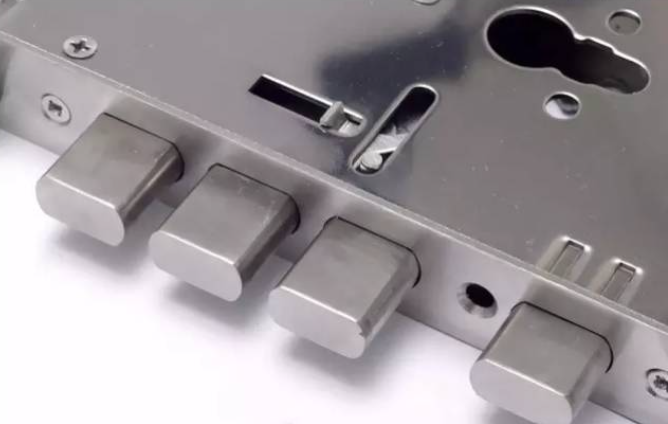
Currently, the market offers door lock cores classified as Grade A, Grade B, Super B, Grade C, and several others. Consumers can identify the quality of the lock core based on the number of pin tumblers.
In general, multi-row pin tumbler locks are superior to single-row pin tumbler locks, and multi-row hidden pin tumbler locks are superior to ordinary multi-row pin tumbler locks. The cost of Grade B lock cores is much higher than that of Grade A lock cores. Therefore, most of the lock brands in the market offer Grade A lock products. If the anti-theft door key has only one row of pin tumblers, it is essentially a Grade A or Grade B lock core.
For those who feel that their security is insufficient, they can consider upgrading to Super B or Grade C lock cores to enhance the overall anti-theft performance of the door.
Furthermore, high-quality locks generally produce a clear and crisp sound when opened, while low-end locks may feel loose when the key is inserted, and the opening sound is often muffled.
Send Inquiry



X
We use cookies to offer you a better browsing experience, analyze site traffic and personalize content. By using this site, you agree to our use of cookies.
Privacy Policy